Database index is an optional structure, associated with a column or group of columns on a table, that can speed up the access to the data. Indexes are data structures that hold copies of specific table columns sorted for rapid lookups. Internally these structures are implemented most often as either B-Trees, Hash Indexes, or Bitmaps.
Most often indexes are defines in SQL explicitly by CREATE INDEX statements, however some constraints, like PRIMARY KEY and UNIQUE, implicitly create internal index structures.
Since this is a complex topic, you can look up for some brief information at:
https://www.thedataschool.co.uk/aronas-zilys/untitled-202/
or at any of the multiple internet sources, before digging into database documentation.
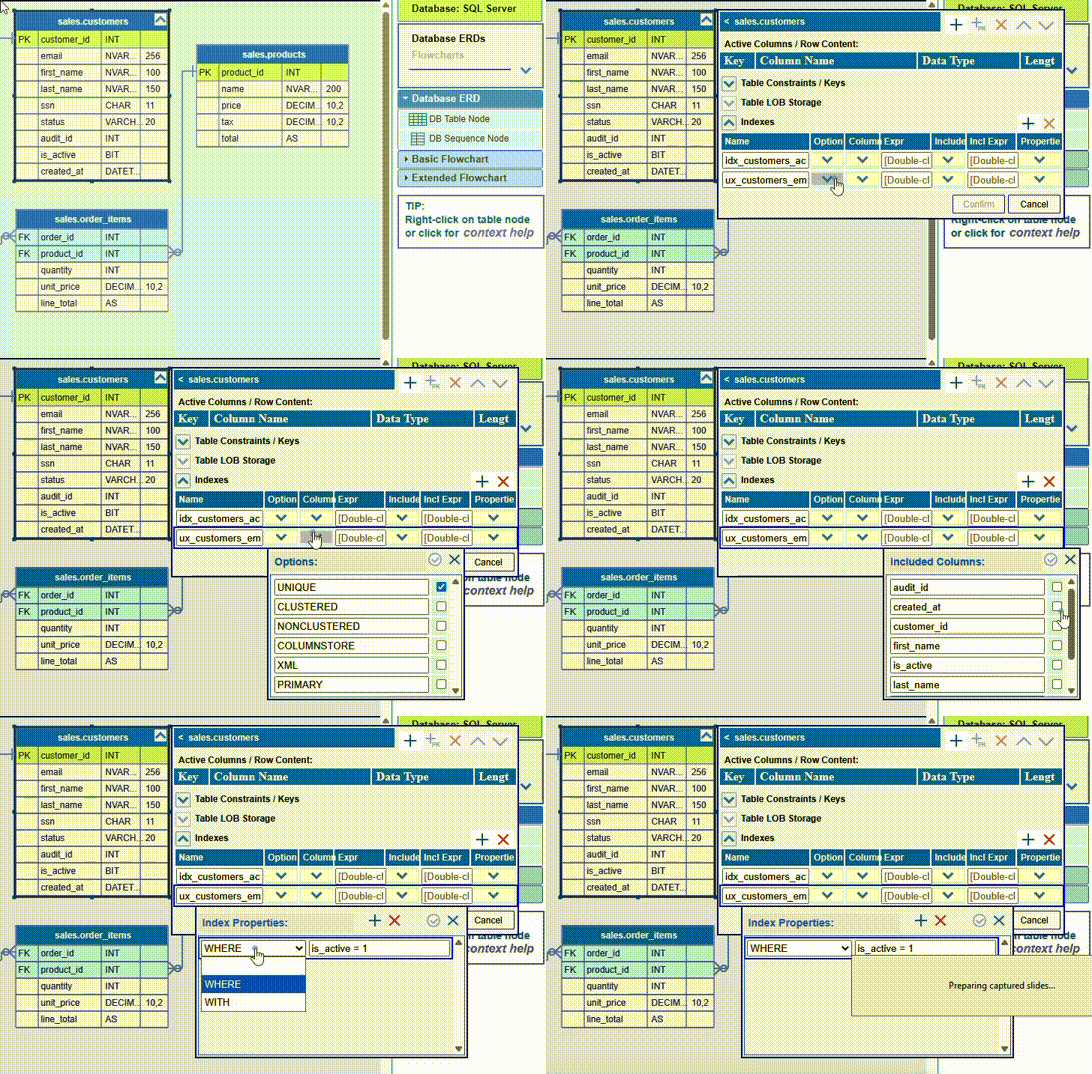
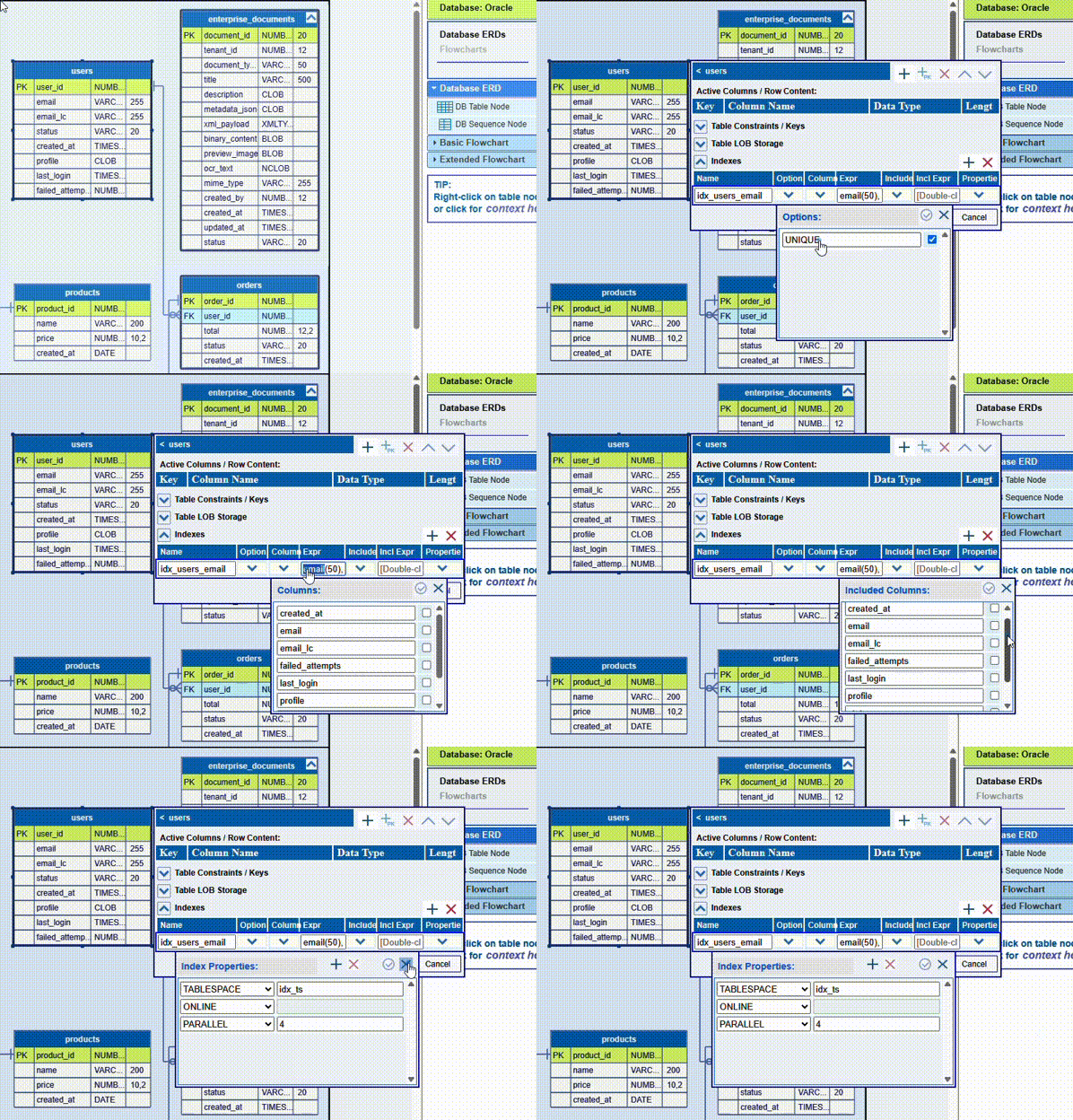
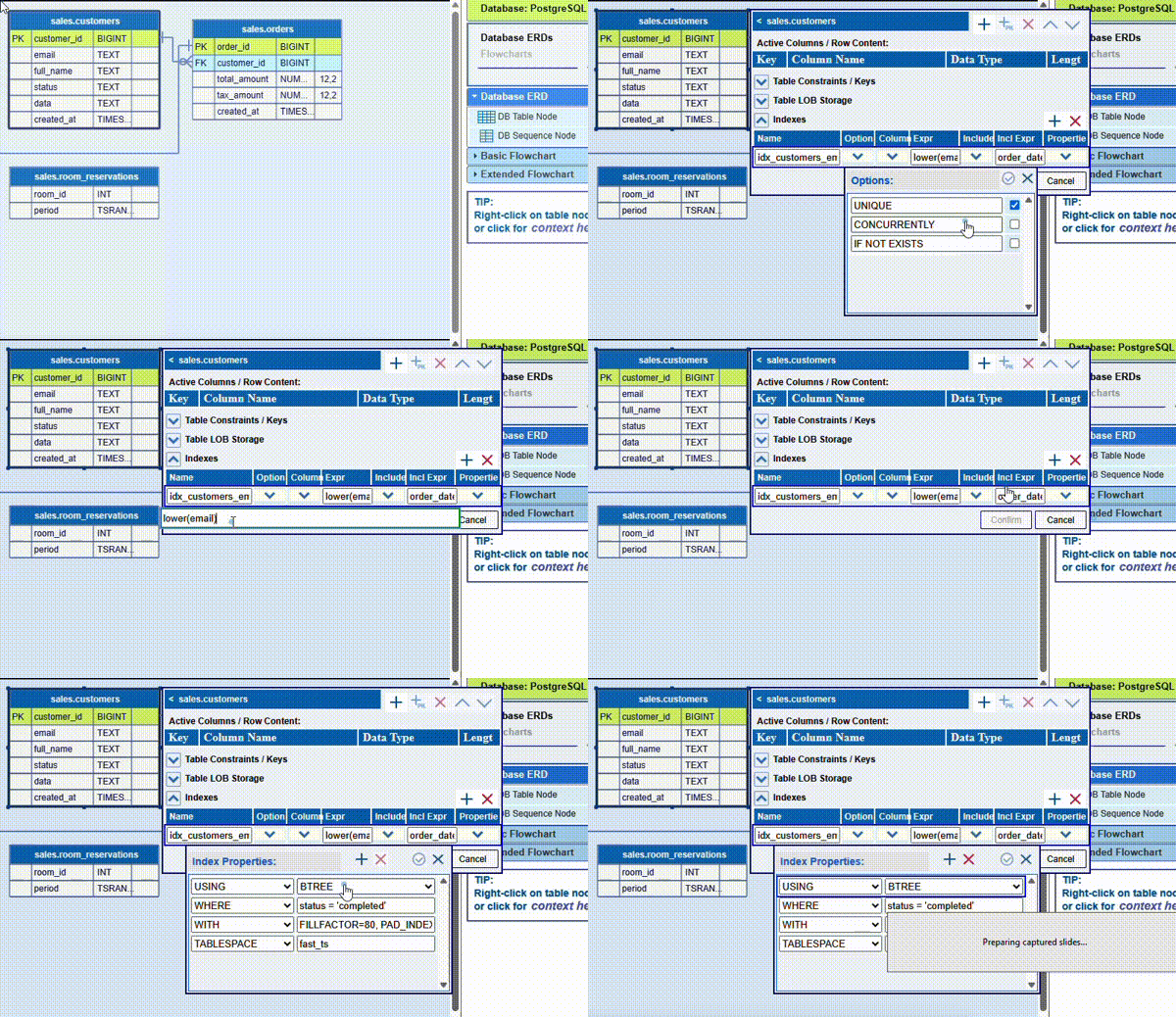
The implementation of indexes varies in different databases. However, JDElite Data Modeler has a standardized representation for indexes in the DB Table Editor subtable Indexes, which is enabled at table level. You can specify one or more indexes per table, entering your data in all or some of the fields:
- Name: Index names have to be unique. Oracle, PostgreSQL and DB2 require uniqueness within the schema, SQL Server, MySQL and MariaDB - within only the table, but in SQLite indexes names must be unique across the entire database file.
- Options: Depending on the particular database, indexes can be unique, clustered, nonclustered, composite, or other specialized options.
- Columns: one or more columns in the table, unless columns are specified in the expressions.
- Expressions: instead of explicit one or more columns, they can be wrapped as parameters of database functions of computational expressions.
- Included Columns: include additional payload column(s) for higher optimization
- Included Expressions the included columns are wrapped in functions or expressions
- Properties: Advanced index properties and configurations, and depending on the particular database they control how the index is built, stored, and filtered.
Here are a few examples:
Oracle:
PostgreSQL:
SQL Server: